KIN is an ongoing creative research journey that began as an ambitious festival concept and has evolved into a series of participatory projects exploring human–nature relationships through design, play, and collaboration. This page shares the story of KIN’s development: from its original vision at Arnolfini in Bristol, through experimental workshops at Camp KIN and Starry Skies festivals, to academic and educational contexts including staff development and student-led design sessions. Across these stages, KIN has focused on nature-connected design and more-than-human perspectives, challenging anthropocentric norms and inspiring sustainable futures.
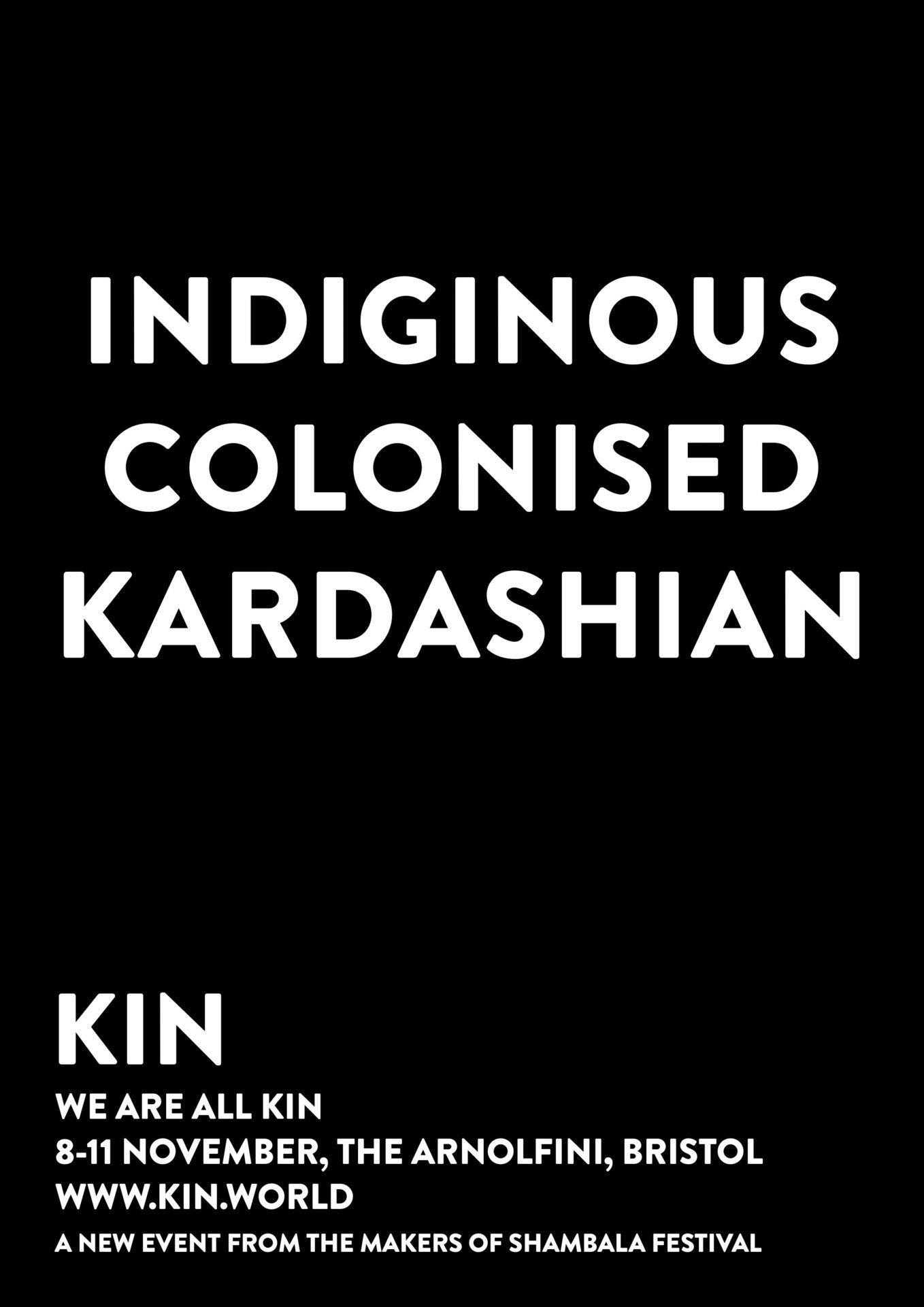
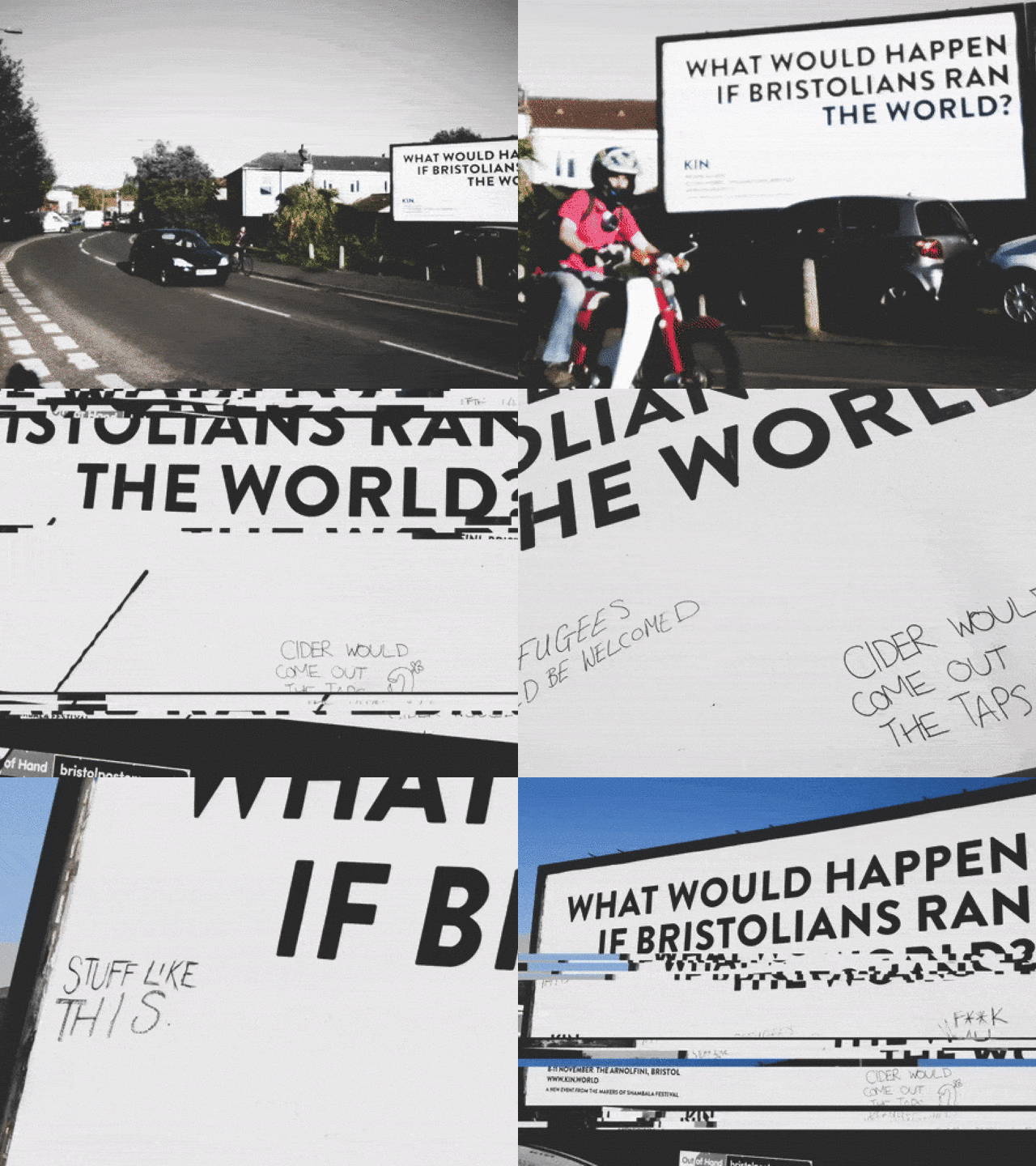
The Original Concept - Kambe Events/ Arnolfini (2018)
KIN was conceived as a four-day festival of ideas and action at Arnolfini, Bristol. At its core was the ‘Brain’ Hub, a creative laboratory where makers and participants would co-create work in response to talks and performances, capturing ideas as they emerged and sharing them in real time. The aim was simple: spark dialogue, foster collaboration, and imagine new ways to make positive change. [BRAIN Brief | PDF], [KIN - Brain | PDF]
Despite a year of development and planning, ticket sales fell short just days before launch, and we made the difficult decision to cancel the event. This moment became the seed for a series of creative, research-led projects that continue today.
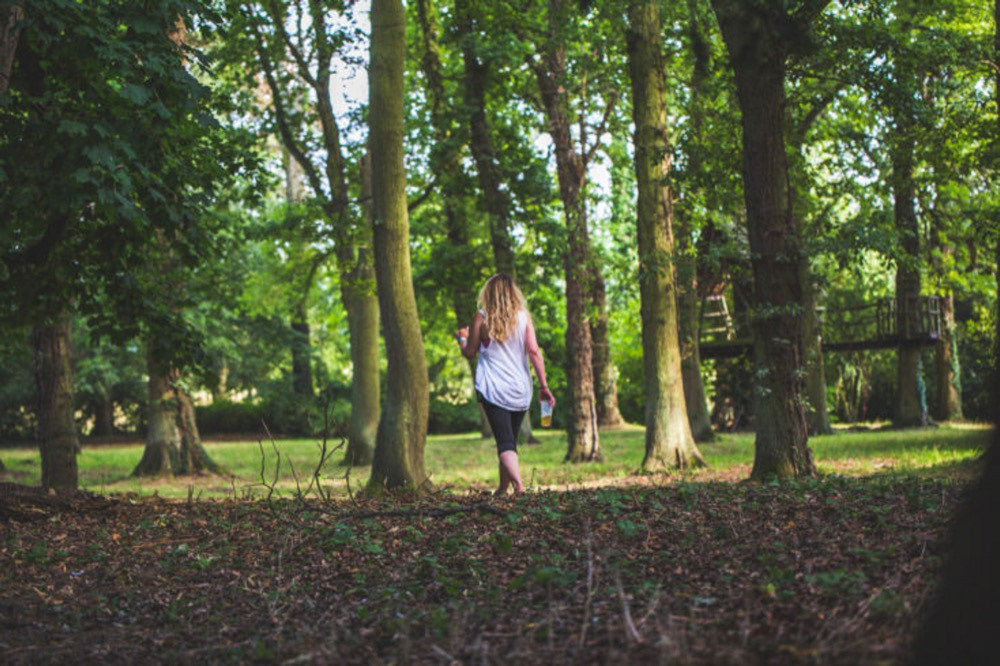
Camp KIN, Kambe Events – Market Harborough (2021)
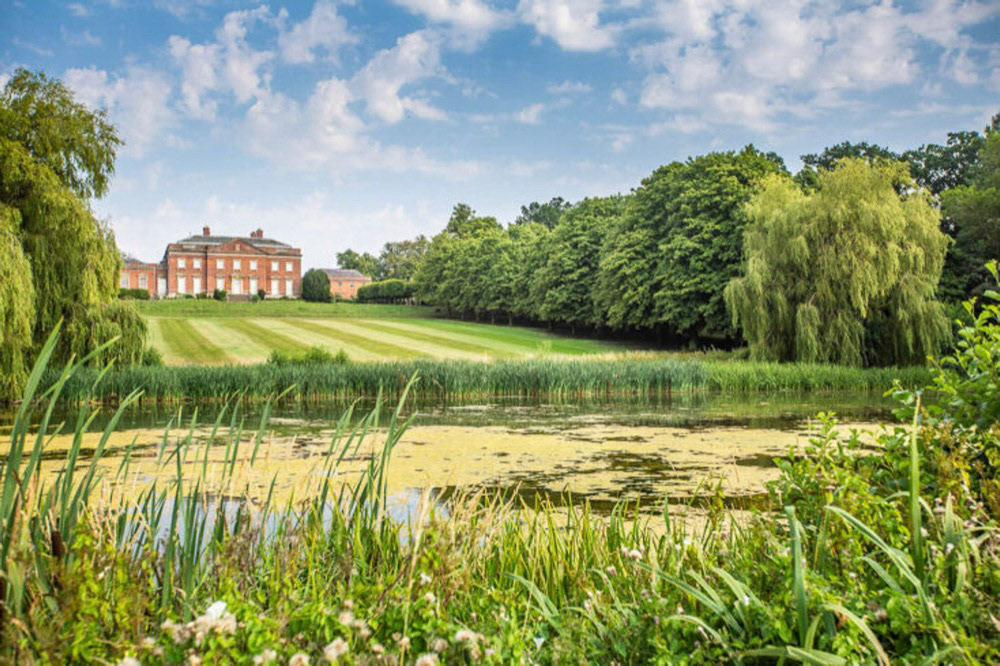
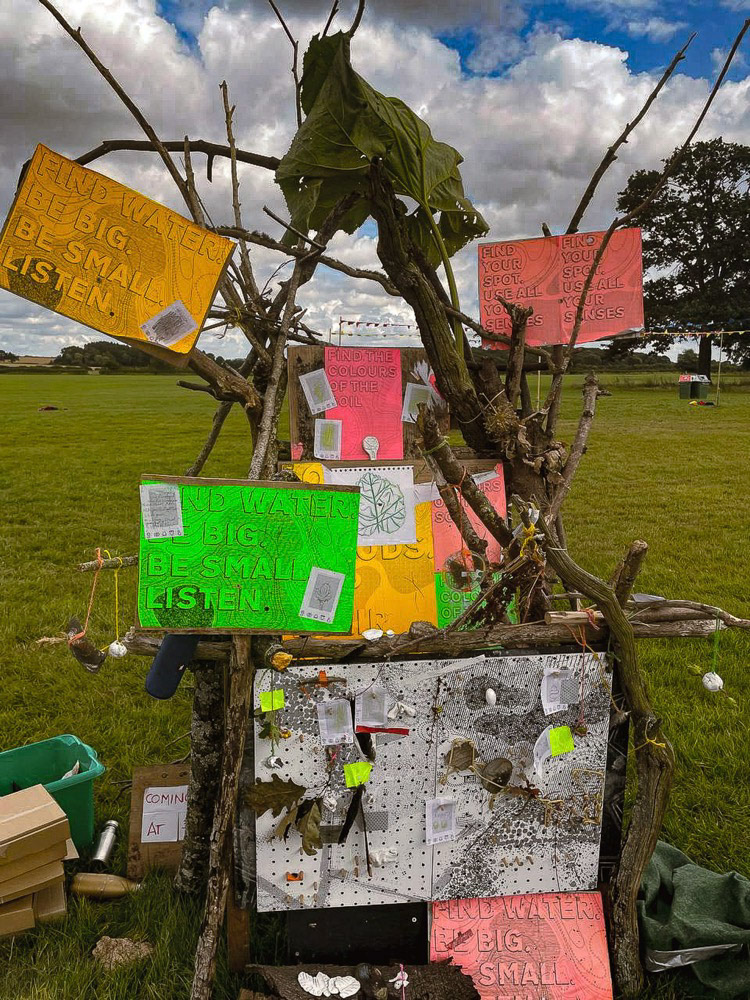
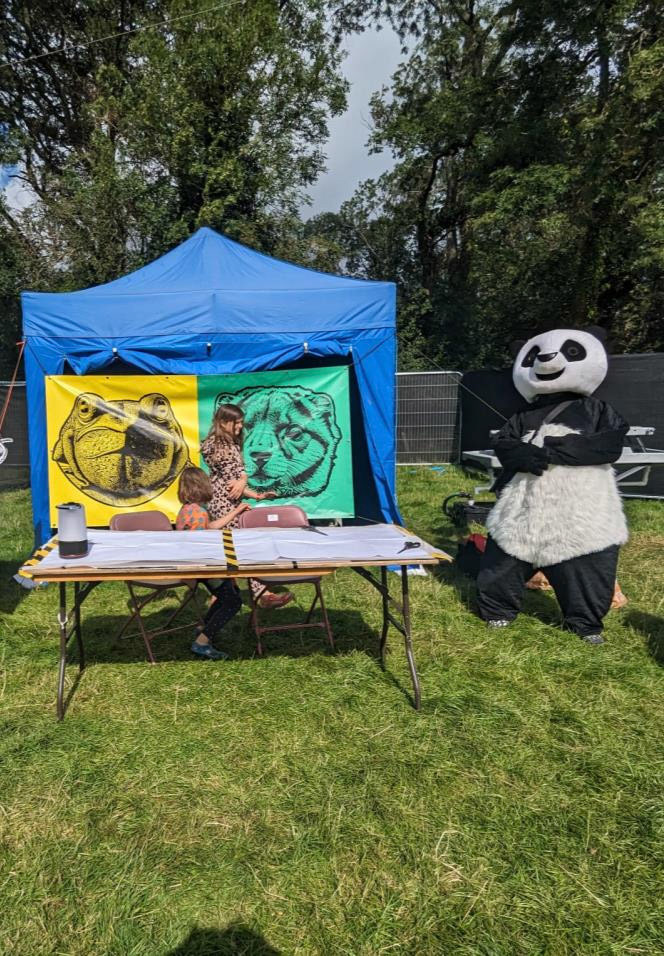
To build on our work, Kambe developed Camp KIN, a three-week mini-festival in summer 2021. I reimagined my research project and artist residency as KIN: More-Than-Human Mapping, a nature-focused workshop inviting campers to explore and map the site from a more-than-human perspective.
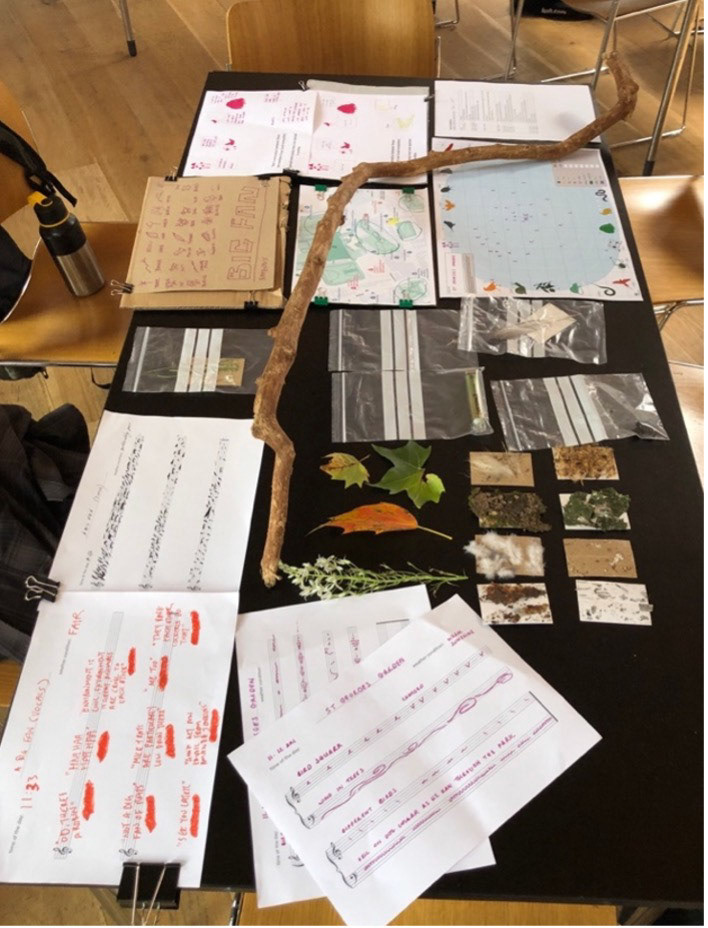
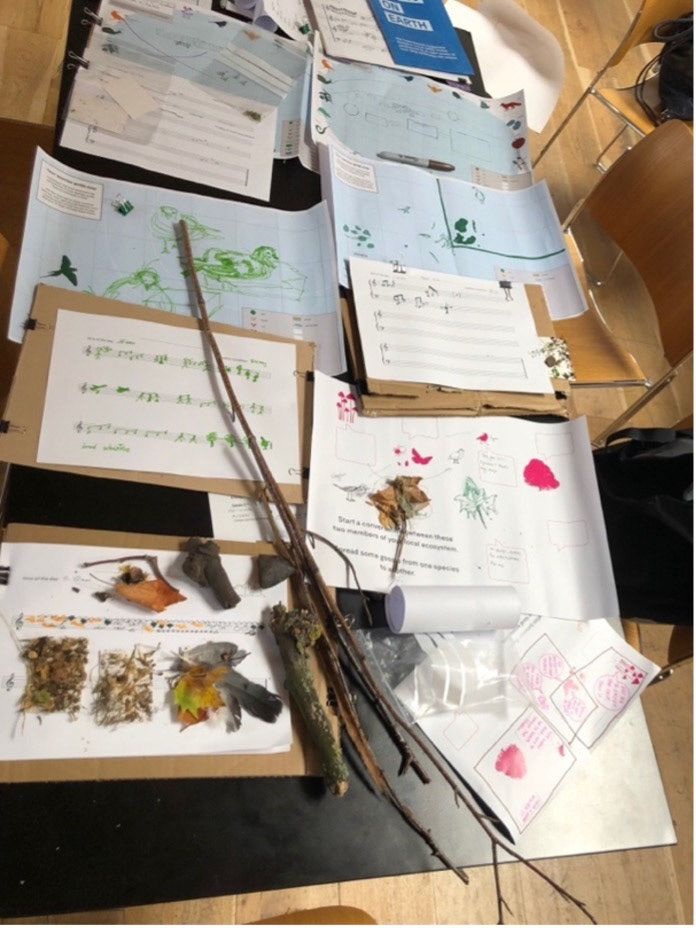
Over three weekends, I collaborated with researchers Dr Male Luján Escalanté (UAL) and Marie Williams (Dream Networks/UCL) to deliver workshops to over 500 festival-goers. Using cultural probe-style research kits, participants observed and recorded non-human actors such as plants, animals, and ecological processes, creating a collective map that evolved throughout the festival. This approach reframed the campsite as a shared ecosystem and sparked conversations about interdependence and sustainability.
Starry Skies Festival (2023)
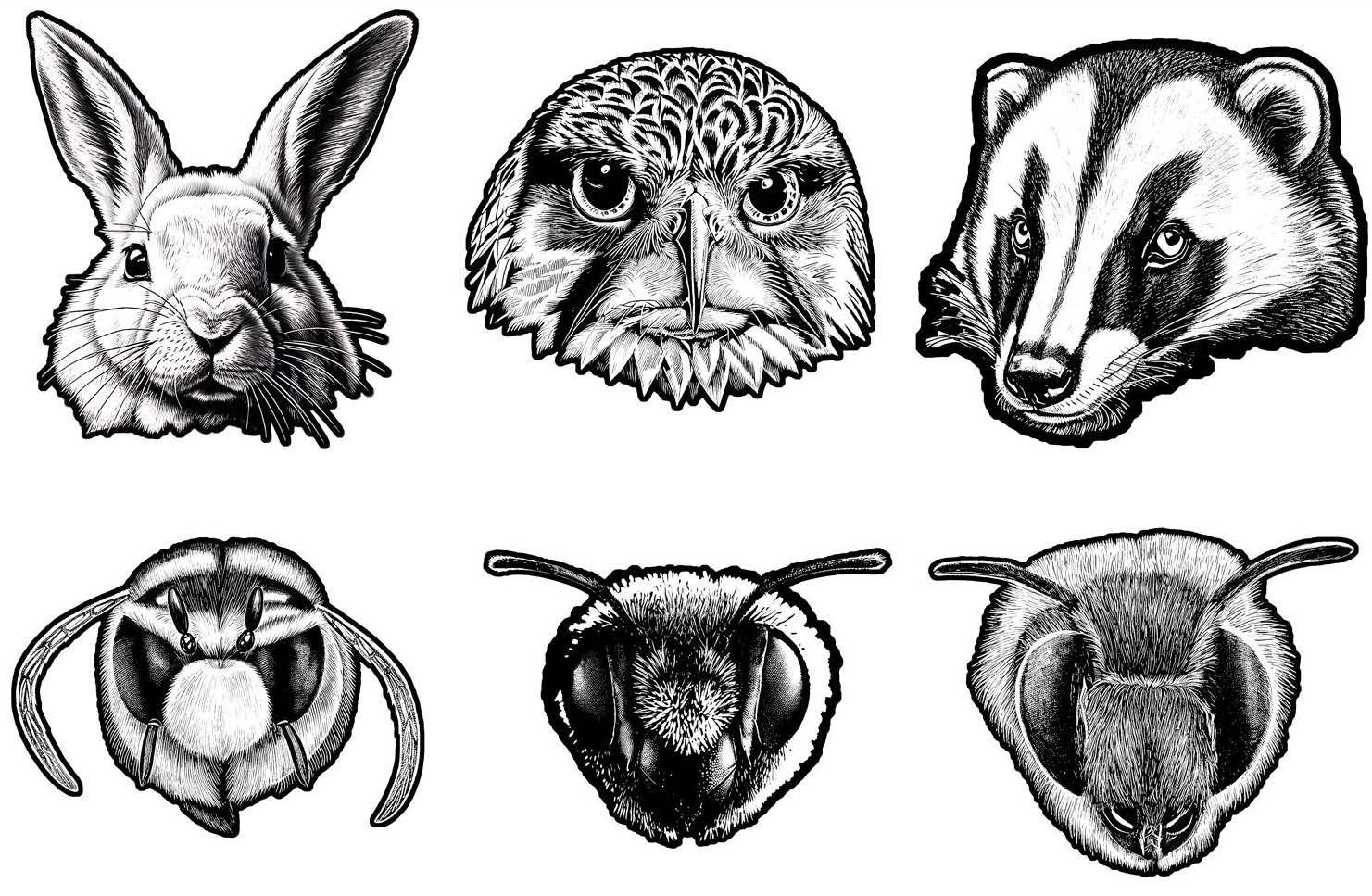
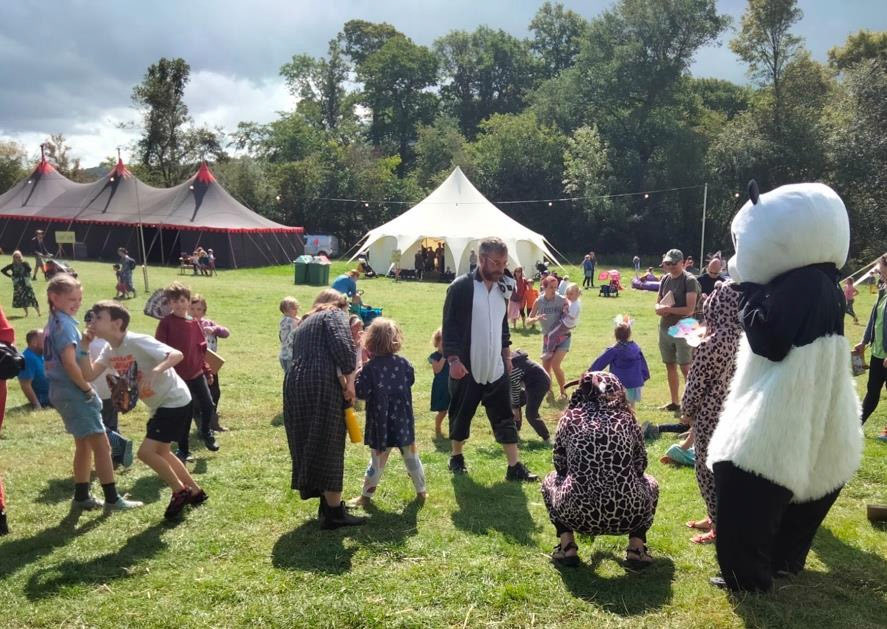
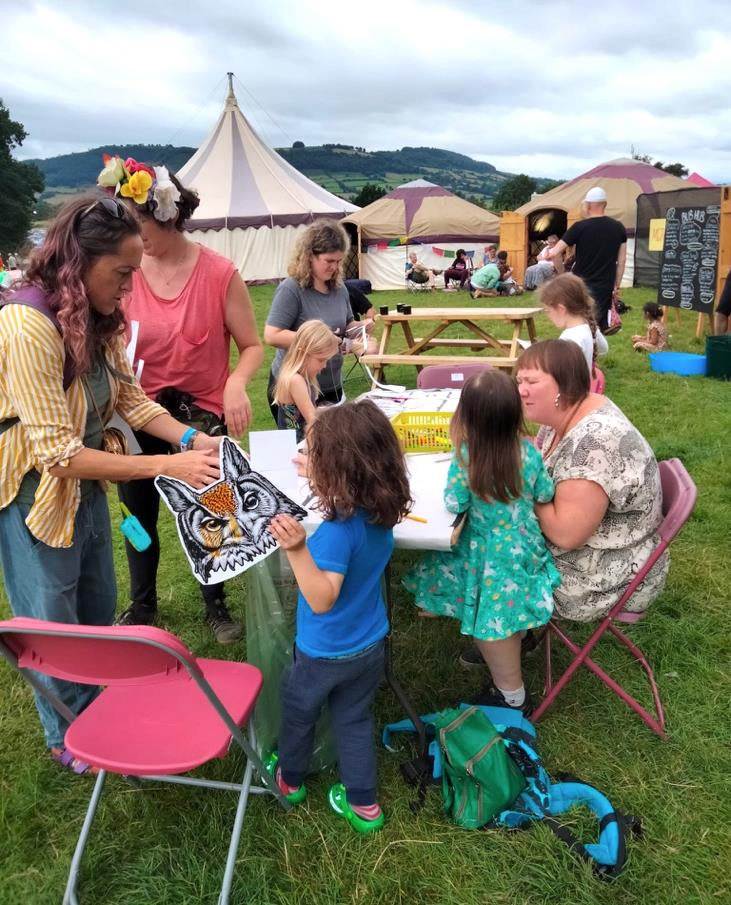
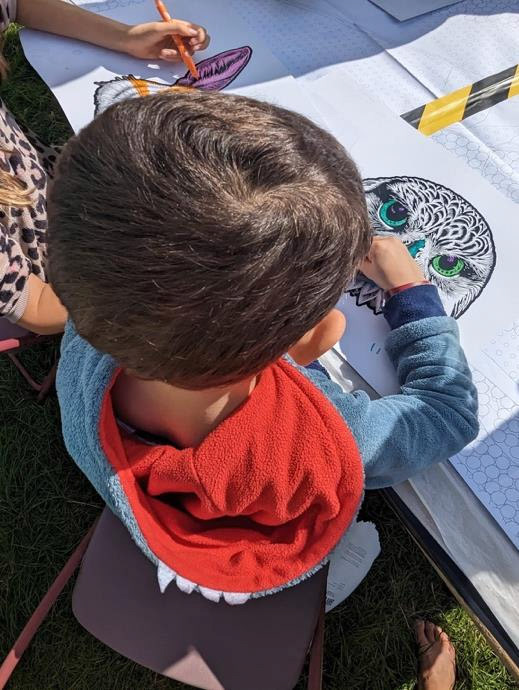
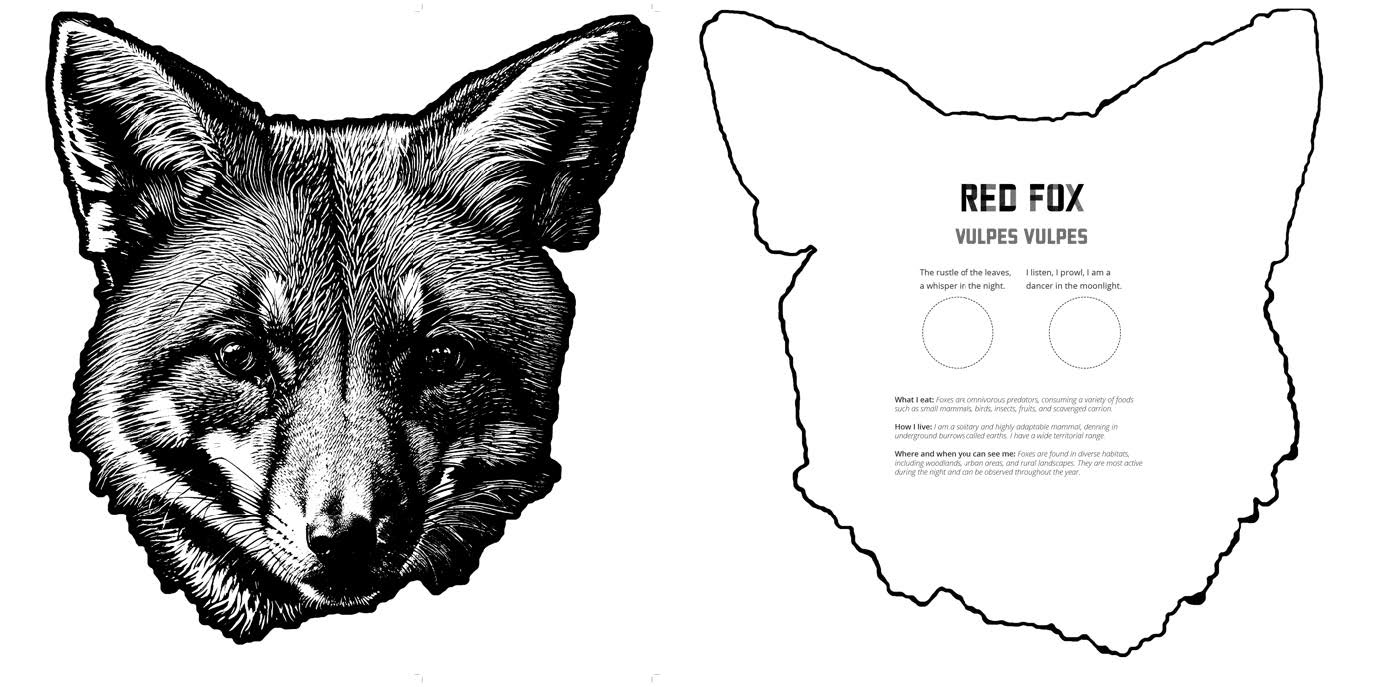
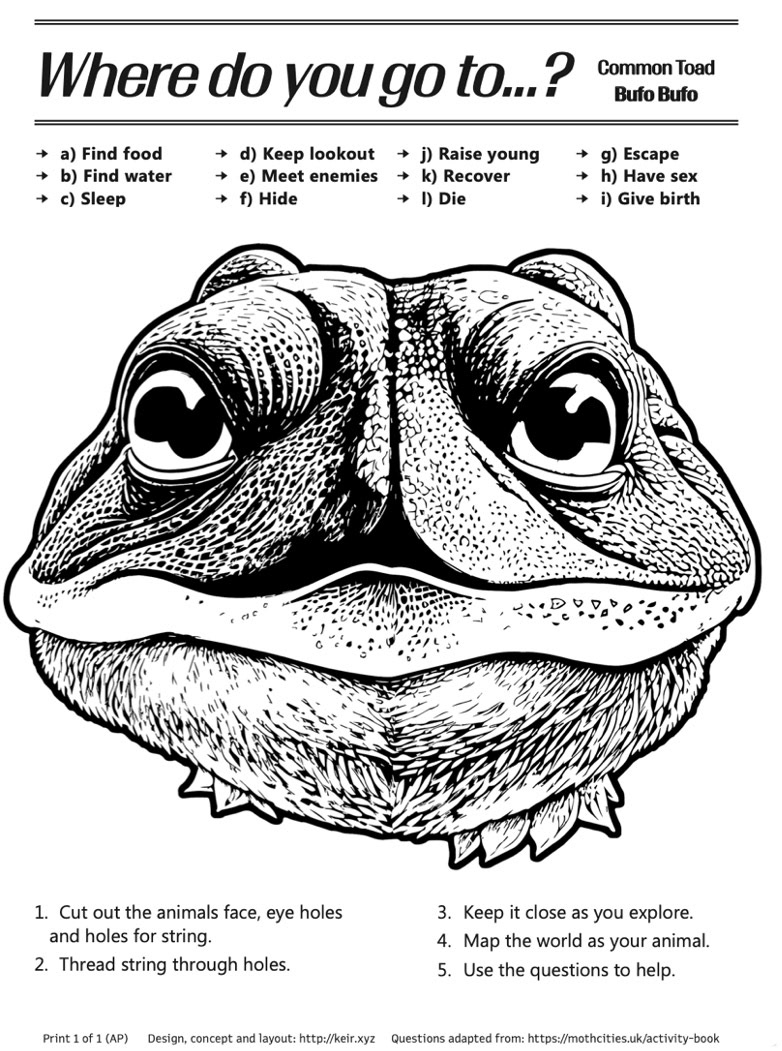
Building on Camp KIN, I adapted the workshop for Starry Skies, a family camping festival in Herefordshire. Over two days, we facilitated child-led explorations using customised “researcher toolkits” with AI-generated animal masks, sensory prompts, and mapping templates. Around 75 children participated in six sessions, culminating in a playful “Rave of All Beings” to celebrate shared discoveries.
Nature-Connected Design Pedagogy (2023)
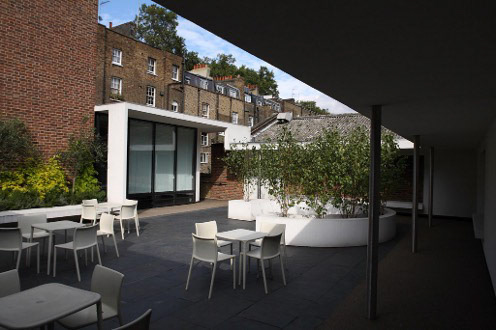
The KIN approach also informed a staff away day workshop for the Branding and Identity programme at London College of Communication (UAL). This session explored integrating nature-connected design into curricula, aligning with UAL’s Climate Action Plan. Academic teams used creative resources such as species maps, sensory exercises, and interspecies dialogues to reimagine urban green spaces and develop course-specific proposals for embedding ecological perspectives in design education.
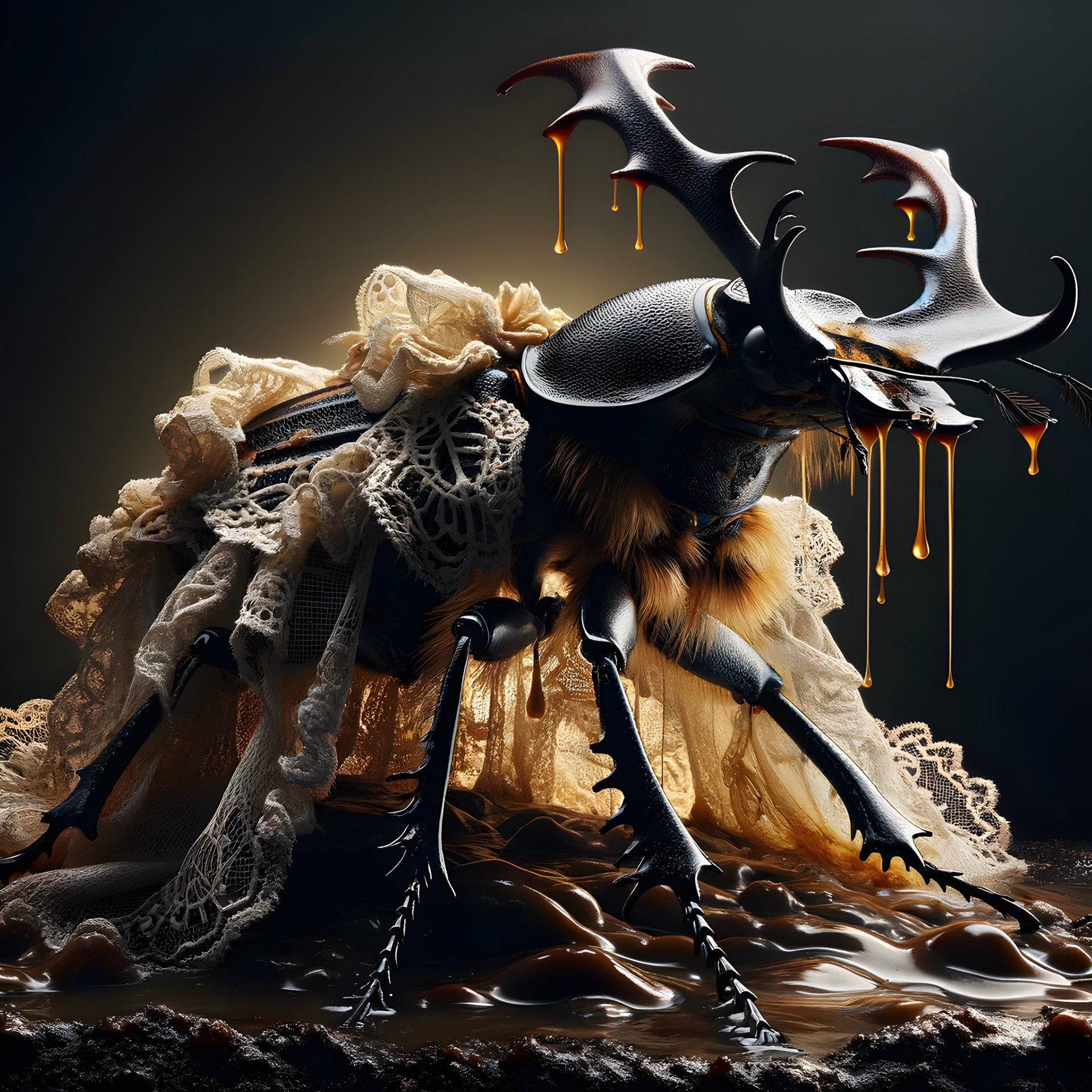
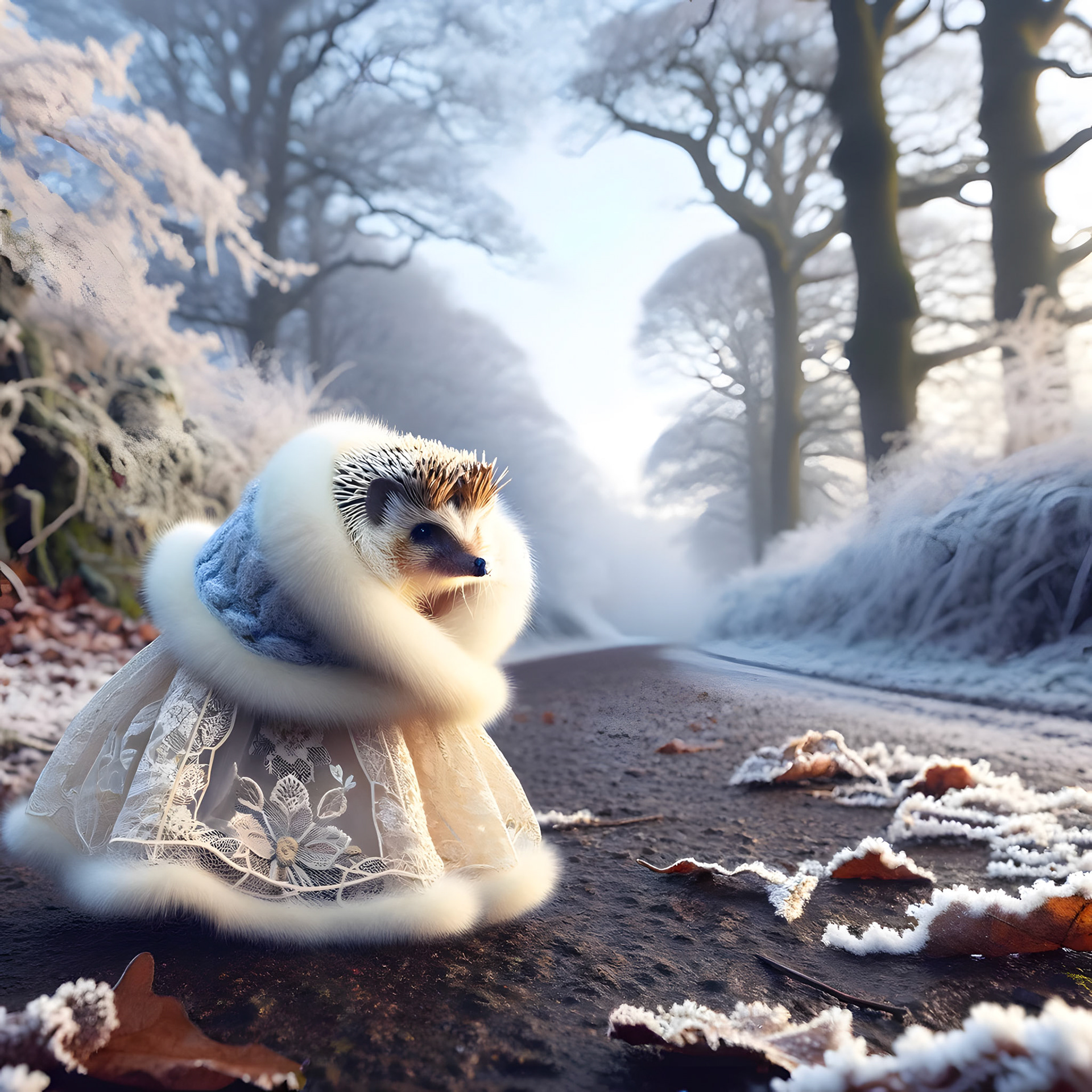
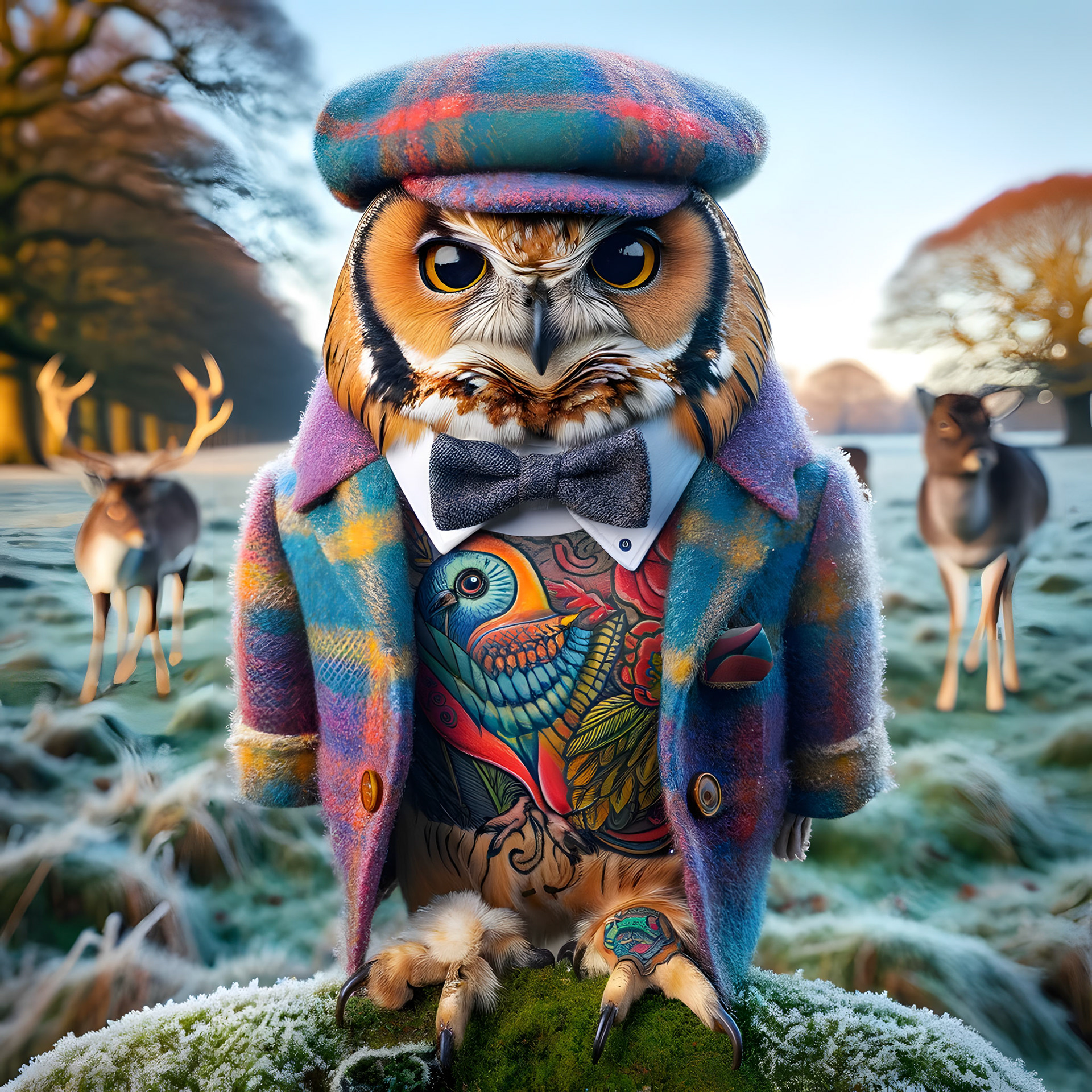
Fashion Textiles Workshop – Ashton Court (2024)
Most recently, I adapted these methods for a BA(Hons) Fashion Textiles workshop, exploring more-than-human futures within the Ashton Court estate. Students engaged with sensory mapping and speculative design to consider fashion’s role in ecological systems.
Impact and Next Steps
Across festivals, academic contexts, and creative industries, KIN has evolved into a platform for experimenting with nature-connected design and participatory ecological mapping. These projects foster imaginative, multispecies perspectives, challenging anthropocentric norms and inspiring sustainable futures.